When to Call a Pro for Garage Door Repair
A garage door that refuses to budge or makes a sound like a wounded animal is more than an inconvenience. It disrupts your morning routine, blocks your car, and can compromise the security of your home. Knowing when a problem needs a professional and when you can handle it yourself can save time, money, and a lot of frustration. This article walks through the common issues that call for garage door repair and what to expect from the process.
Understanding the Mechanics
Garage doors are heavy, complex machines under high tension. The system balances a heavy door with springs, cables, rollers, and tracks. When one part fails, the whole thing can become dangerous. The two main spring types are torsion springs and extension springs. Torsion springs mount above the door opening and twist to store energy. Extension springs run along horizontal tracks on either side of the door and stretch to counterbalance the weight. A failure in either can cause the door to slam down or refuse to open at all.
The opener itself is a motor unit that drives a trolley along a rail. Brands like LiftMaster, Chamberlain, and Genie are common in residential settings. Each has its own quirks, but the basic principles are similar. Safety sensors, often called photo-eye sensors, sit near the floor on each side of the door. They send an invisible beam across the opening. If something breaks that beam, the door stops and reverses. This is a critical safety feature that should never be bypassed.
Common Signs You Need Garage Door Repair
Some signs are obvious. The door refuses to open or close. It reverses for no reason. It makes grinding, scraping, or popping sounds. Other signs are subtler. The door might wobble as it moves, or one side might hang lower than the other. You might notice gaps between the door and the frame, or the weather seal might drag unevenly. Any of these can point to a problem that, if ignored, will get worse.
Track alignment is a frequent culprit. If the track bends or shifts, the rollers can bind, causing jerky movement and extra strain on the opener. Roller brackets can wear out, letting a roller pop out of the track. A cable drum that has slipped or broken can cause a cable to unwind, leaving the door unsupported. These issues usually require professional garage door repair because they involve high-tension components and precise adjustments.
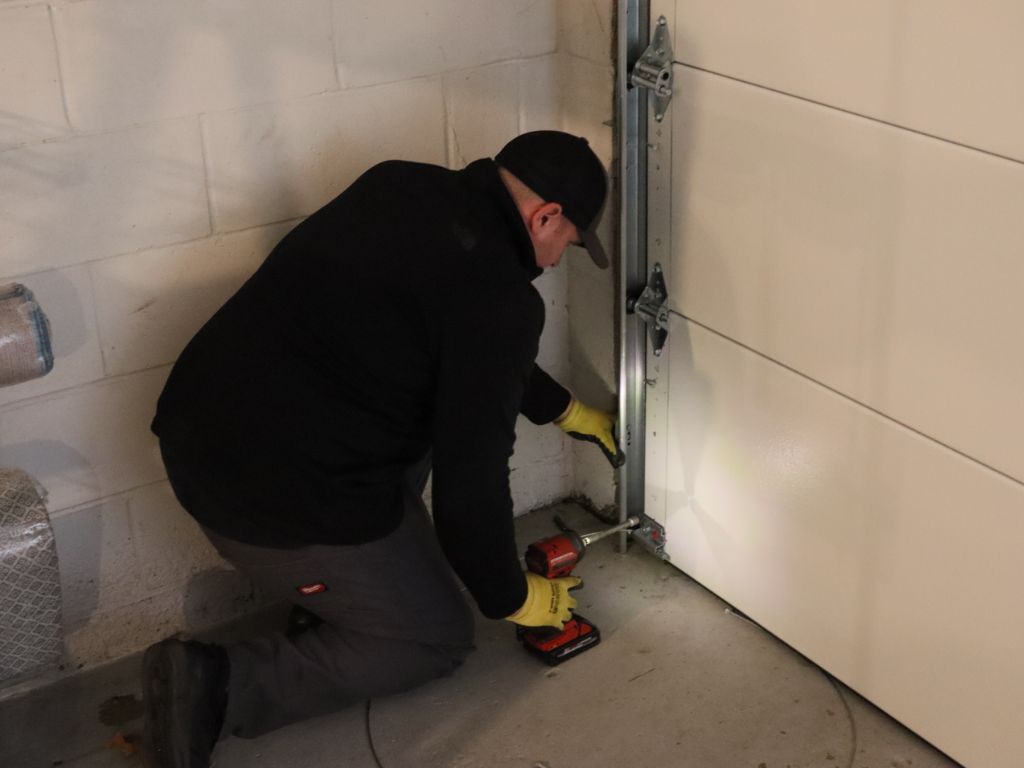
Another common issue is the garage door opener itself. Over time, the motor can wear out, gears can strip, or the logic board can fail. If the opener hums but the door doesn't move, the problem might be a bad capacitor or a broken gear. If the door moves a few inches and stops, the travel limits might need resetting, or the force setting might be too low. These are adjustments a technician can make quickly, but they require knowledge of the specific opener model.
Spring Replacement: A Job for the Pros
Spring replacement is one of the most dangerous tasks in garage door repair. Torsion springs and extension springs store immense energy. When they break, they can release that energy explosively. A snapped spring can whip around, damaging property or causing serious injury. Replacing a spring requires winding the new one to the correct tension, which involves specific tools and precise technique. A professional knows the exact number of turns for a given door weight and spring type. Getting it wrong can make the door unbalanced, which leads to premature wear on the opener and other parts.
Springs also have a finite lifespan. Most manufacturers recommend replacing them every seven to ten years, though heavy use can shorten that. If you notice a spring that looks rusted, stretched, or has a visible gap in the coils, it's time for a replacement. Ignoring it risks a sudden failure that could damage the door or the track.
Opener and Sensor Issues
Modern openers from brands like LiftMaster, Chamberlain, and Genie include safety features that can sometimes cause false positives. If the photo-eye sensors get misaligned or dirty, the door might reverse when it shouldn't. Cleaning the lenses and checking alignment is a simple DIY task. But if the sensors are damaged or the wiring is faulty, professional repair is needed.
Similarly, the opener's logic board can develop issues. Sometimes a power surge can scramble the settings. Other times, a component simply fails. A technician can diagnose whether the opener needs a simple reset, a new circuit board, or a full replacement. They also have access to manufacturer-specific diagnostics that aren't available to the average homeowner.
Track and Roller Maintenance
The tracks guide the door as it opens and closes. Over time, they can accumulate dirt, rust, or dents. Rollers can wear down, developing flat spots that cause bumpy movement. The track alignment is critical. If the track is not perfectly vertical and parallel, the door will bind and strain the entire system. Adjusting track alignment is a precise job that often involves loosening brackets, shifting the track, and retightening everything. A professional has the tools and experience to do this without causing damage.
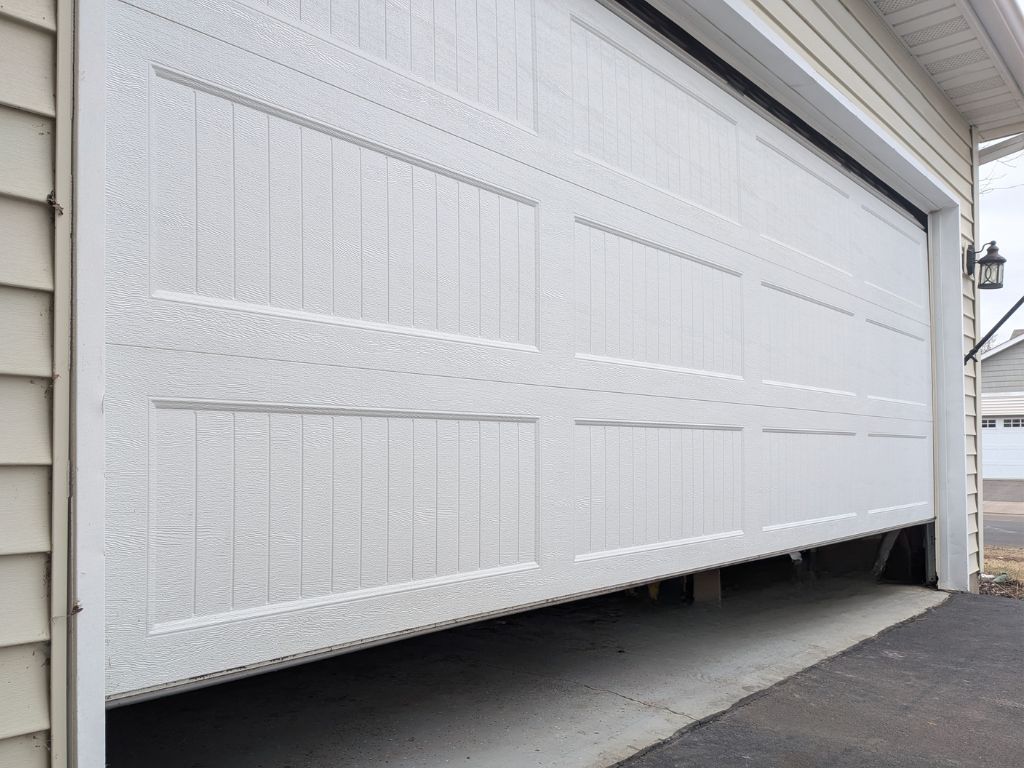
Roller brackets can also loosen or break. If a roller pops out of the track, the door can jam or even fall. This is another situation where professional garage door repair is the safest option. A technician can replace the roller, realign the bracket, and check the rest of the system for any secondary damage.
The Value of Annual Maintenance
Preventive maintenance can catch small problems before they become big ones. An annual inspection by a professional includes lubricating moving parts, checking spring tension, testing safety sensors, and inspecting cables and drums. They can spot a worn cable before it snaps, a loose bracket before it fails, or a misaligned track before it causes damage. Annual maintenance also keeps the door operating smoothly and quietly, which adds to the life of the opener and the door itself.
Many manufacturers require proof of regular maintenance to keep the warranty valid. Brands like Clopay and Amarr often include this in their warranty terms. Skipping maintenance could void coverage for a repair that would otherwise be free. For homeowners in areas like Minneapolis and St. Paul, where temperature swings can affect door components, annual maintenance is especially important. Cold weather can make springs brittle, and thaw-freeze cycles can shift tracks.
Choosing the Right Parts
When a repair is needed, the quality of the replacement parts matters. Using a generic spring that isn't matched to the door's weight can lead to early failure. The same goes for rollers, cables, and openers. Sticking with reputable brands like Wayne-Dalton, LiftMaster, or Chamberlain ensures compatibility and durability. A professional repair company will have access to these brands and can recommend the best option for your specific door.
If the door itself needs replacement, brands like Clopay and Amarr offer a range of styles and insulation levels. But even a high-quality door can have problems if the installation is poor or the track alignment is off. That's why choosing the right technician for the repair is as important as choosing the right door.
Knowing When to DIY and When to Call
Some tasks are safe for a handy homeowner. Lubricating hinges and rollers, cleaning photo-eye sensors, and tightening loose hardware are all reasonable to do yourself. Checking the balance of the door by disconnecting the opener and manually lifting it halfway is a good way to spot spring issues early. If the door doesn't stay put, the springs need adjustment or replacement. That's the point to call a professional.
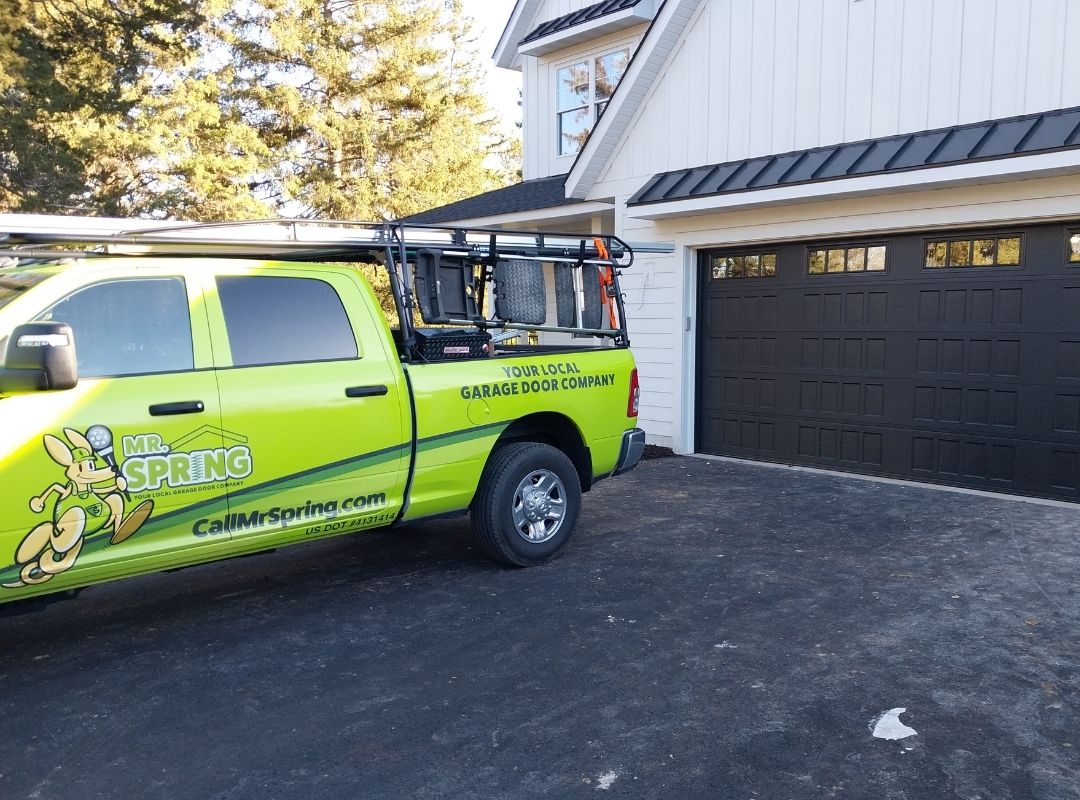
Any work involving springs, cables, or high-voltage wiring should be left to a trained technician. The risk of injury is real, and the cost of a repair is far less than an emergency room visit. A professional also has the knowledge to diagnose hidden problems, like a failing cable drum or a cracked roller bracket, that an amateur might miss.
In the end, the goal of garage door repair is to restore safe, reliable operation. Whether it's a simple track alignment or a complex spring replacement, the right approach balances cost, safety, and longevity. For homeowners in Minnesota, where winter can be harsh on equipment, staying on top of maintenance and knowing when to call a pro can keep your door operating smoothly for years.